Health & Beauty Trends
Break Free from Weak Bones – Osteoporosis



Losing About 3cm (an inch) of Your Height
If you’ve noticed that you’re getting shorter over time, it could be a sign of osteoporosis. As bones weaken, the vertebrae in your spine can compress or fracture, leading to a noticeable loss in height.
Change in Posture
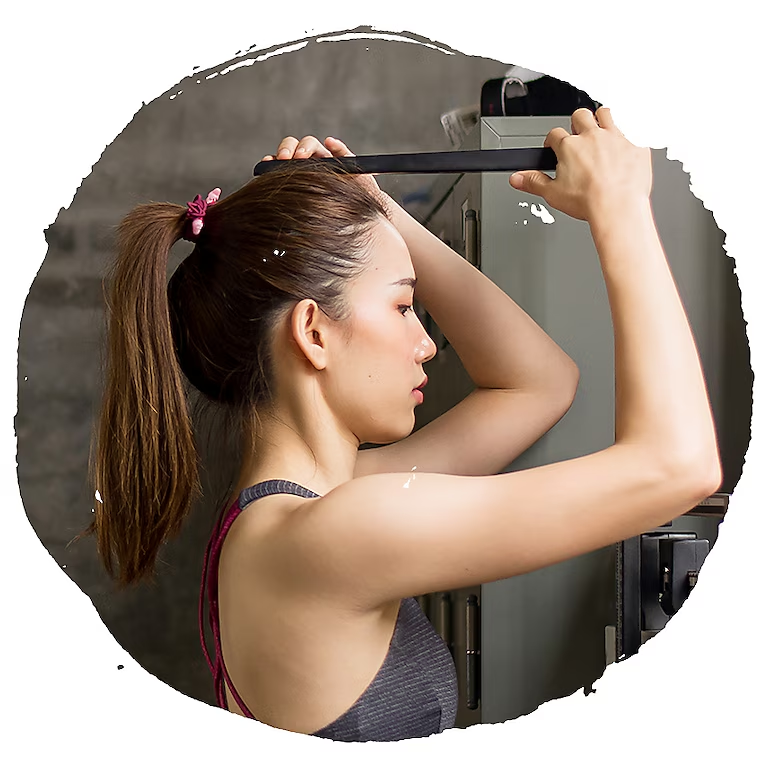
A stooped or hunched-over posture may develop as the bones in your spine become weaker and start to collapse which may indicate that your bone density is declining.

Shortness of Breath
As the vertebrae compress due to osteoporosis, your chest cavity may also become compressed, leaving less space for your lungs to fully expand which may lead to difficulty breathing during normal activities.
Lower Back Pain
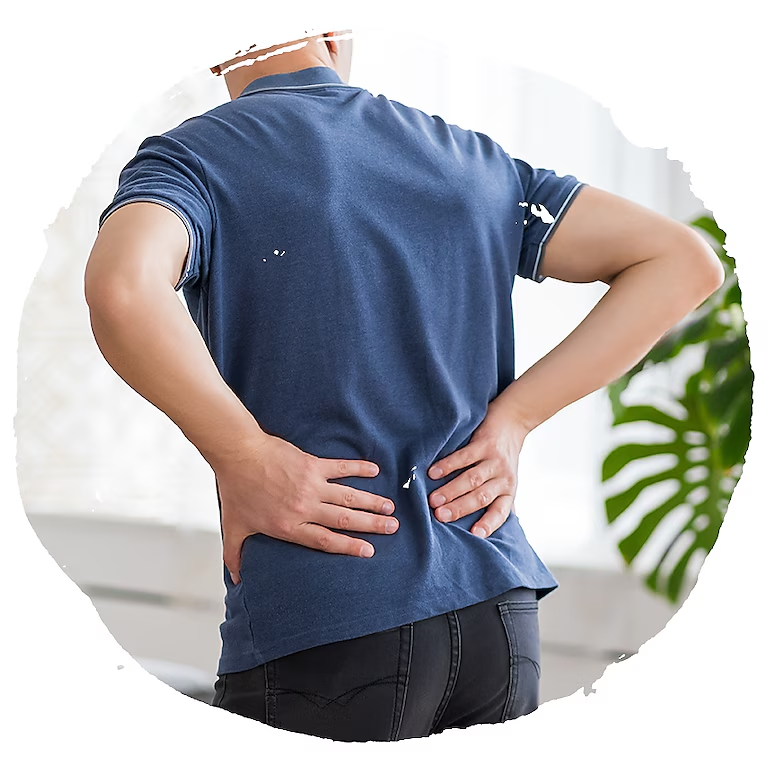
Persistent lower back pain without obvious trauma can be a result of small fractures in the spine caused by weakened bones
Engage in Weight-Bearing Exercises
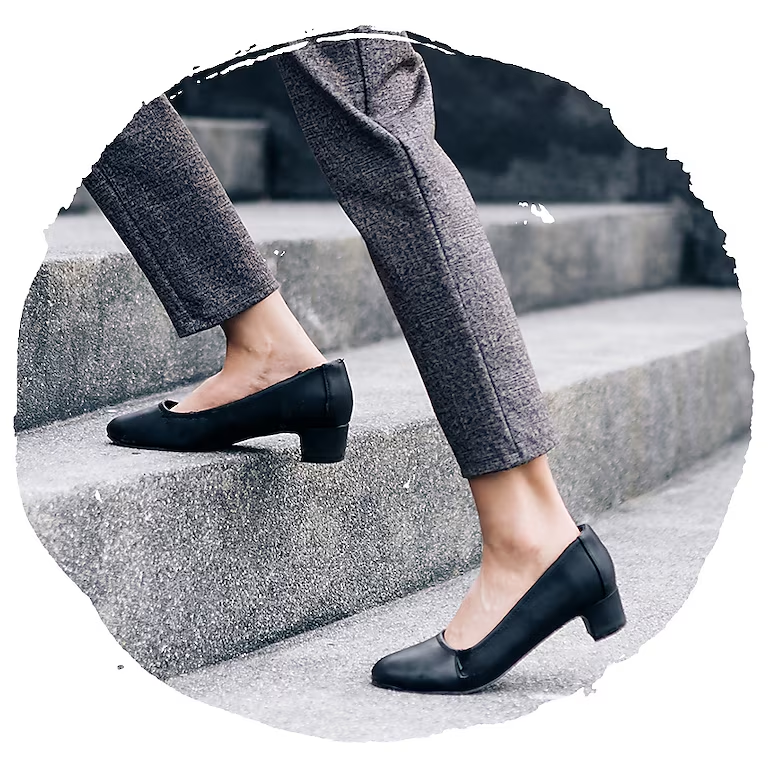
Incorporate activities like brisk walking, stair climbing, or tai chi to stimulate bone growth and improve balance. Aim for at least three sessions per week to strengthen your bones and reduce the risk of falls.

Avoid Smoking and Excessive Alcohol Intake
Smoking and excessive alcohol consumption can accelerate bone loss and significantly increase your risk of osteoporosis. Nicotine in cigarettes interferes with your body’s ability to absorb calcium, while alcohol inhibits the formation of new bone cells.

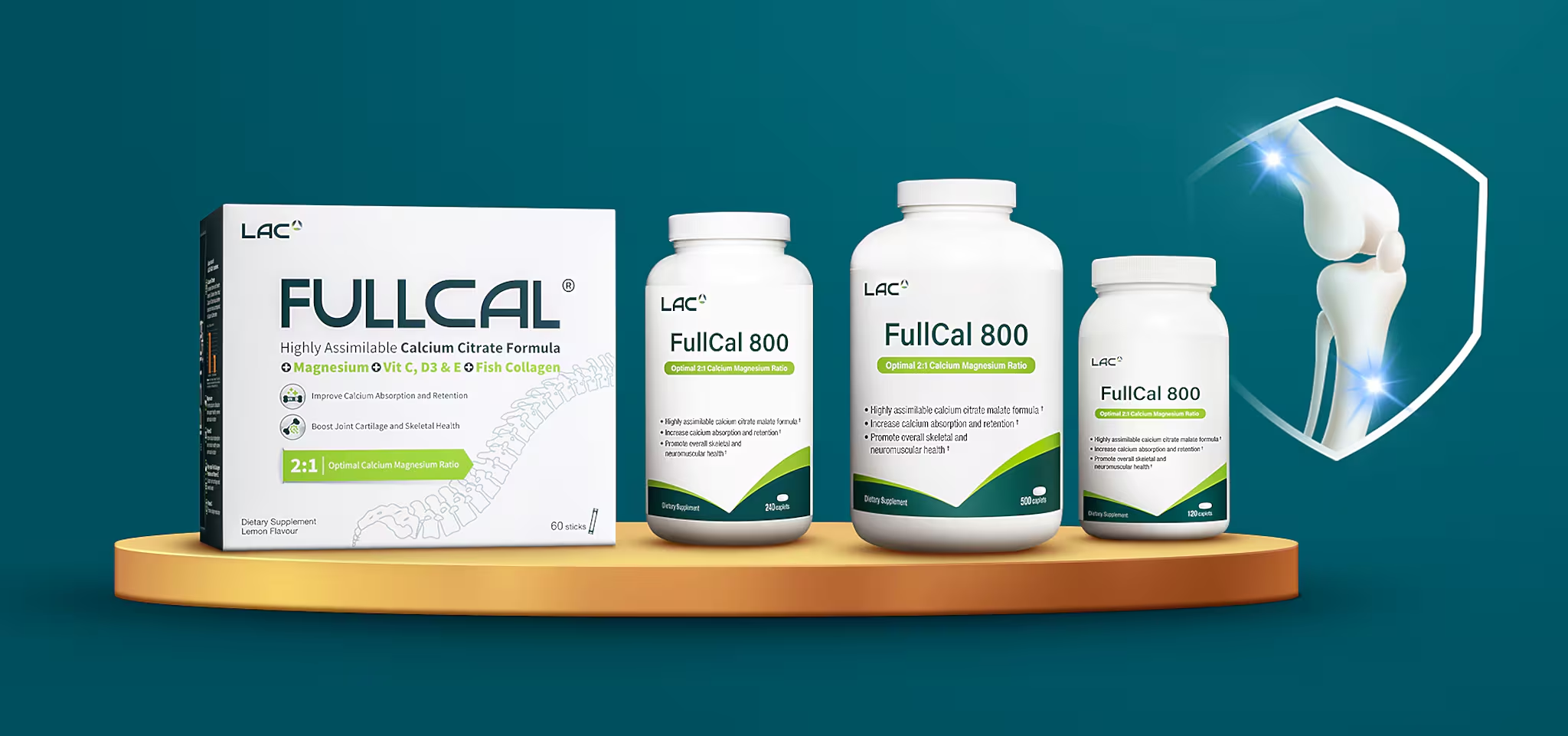
Eat a Balanced Diet Rich in Calcium and Vitamin D
A nutritious diet is essential for bone health. Calcium and Vitamin D are key nutrients needed for strong bones. Calcium can be found in dairy products, leafy green vegetables, and fortified foods. Vitamin D can be obtained from sunlight exposure, fatty fish, and fortified products.